Experts in Dyslexia and SpLD.
Providing Specialist Assessment and Support in East Sussex and the South East.
With 40+ years of combined experience across mainstream, independent, and specialist dyslexia settings.
Our team holds accredited qualifications, allowing us to provide both recognised assessments and evidence-based specialist tuition.
We cover the following areas:
Battle and surrounding areas – Alfriston, Ashford, Benenden, Bexhill, Bodiam, Brede, Buxted, Burwash, Catsfield, Cranbrook, Crowborough, Crowhurst, Eastbourne, Etchingham, Flimwell, Hailsham, Hastings, Hawkhurst, Heathfield, Herstmonceux, Horam, Lewes, Newhaven, Newick, Ninfield, Northiam, Peacehaven, Pevensey, Polegate, Robertsbridge, Rye, Sandhurst, Seaford, Sedlescombe, St Leonards, Stone Cross, Tenterden, Ticehurst, Tunbridge Wells, Uckfield, Wadhurst, Westfield, Willingdon – and beyond.
Our Specialist Expertise
At Dyslexia East Sussex, Emily and Natalie bring a powerful combination of experience, specialist training, and genuine commitment to supporting learners of all ages. We are leading specialists in full diagnostic dyslexia assessment and support and have worked with many families and schools across East Sussex and surrounding areas.

ASSESSMENT

TRAINING

RESOURCES

SUPPORT

THE LEARNING LOFT

Why Choose DES?
40+ years of combined experience across mainstream, independent, and specialist dyslexia settings
Highly experienced, Level 7 qualified specialist teachers and assessors, each holding a current Assessment Practising Certificate (APC)
Level 4 OCN qualification in Workplace Needs Assessment
Experienced Head of Learning Support in a specialist setting, leading assessment, intervention, and staff development to support learners with dyslexia and diverse learning needs, including the leadership of a multi-disciplinary team
Experienced Level 7 course tutors for leading dyslexia education providers, delivering high-quality training in exam access arrangements and specialist teacher training
Highly experienced in writing comprehensive diagnostic reports (some of which have supported EHCP applications), ensuring clear, evidence-based recommendations for effective provision.
Expertise in delivering full diagnostic dyslexia assessments and screeners, and exam access arrangements
In‑depth understanding of dyslexia and co‑occurring SpLDs
A strengths‑based approach that helps every learner recognise their abilities and thrive
Dedicated to supporting children, young people, and adults returning to education
Regular CPD professional courses and training to ensure that assessor knowledge and practice is up to date
Covers the whole of East Sussex and the surrounding areas


About Dyslexia
The Delphi Definition
The Delphi Definition was created by bringing together a large group of international experts who voted until they reached agreement on what Dyslexia is. It defines Dyslexia as processing difficulties that affect reading and spelling, often linked to phonological skills, working memory, and processing speed.
What are the common signs of Dyslexia?
Primary-Aged
Reading & Phonics: Difficulty recognising sounds; slow early reading
Letters & Numbers: Mixing up b/d, p/q; reversals
Spelling: Inconsistent, phonetic spelling
Writing: Poor handwriting; simple sentences
Memory & Sequencing: Struggles with instructions; recalling sequences
Processing: Slow to respond; easily overwhelmed
Behaviour: Avoidance; frustration; low confidence
Secondary-Aged
Reading & Phonics: Slow reading; reduced comprehension
Letters & Numbers: Ongoing confusion with symbols
Spelling: Persistent difficulties; basic errors
Writing: Poor organisation; limited written output
Memory & Sequencing: Difficulty retaining information
Processing: Slow processing; difficulty managing workload
Behaviour: Avoidance; anxiety; reduced self-esteem
Young Adults / Adults
Reading & Phonics: Slow reading; needs to re-read
Letters & Numbers: Continued errors in detail
Spelling: Ongoing spelling difficulties
Writing: Difficulty structuring essays, emails & reports
Memory & Sequencing: Forgetting instructions; poor organisation
Processing: Slower processing; mental fatigue
Behaviour: Avoidance of written tasks; lack of confidence
Our Team
We believe that every person learns differently, and our goal is to provide guidance, encouragement, and practical support tailored to individual needs.
We work with children, adults, parents, and educators to help build confidence in reading, writing, communication, and learning. Our team understands that dyslexia can affect people in different ways, which is why we take a supportive and personalised approach to every individual.
We hold up-to-date, enhanced DBS (copy on request)
We hold Professional Indemnity Insurance
We are registered with the Information Commissioner’s Office (ICO)
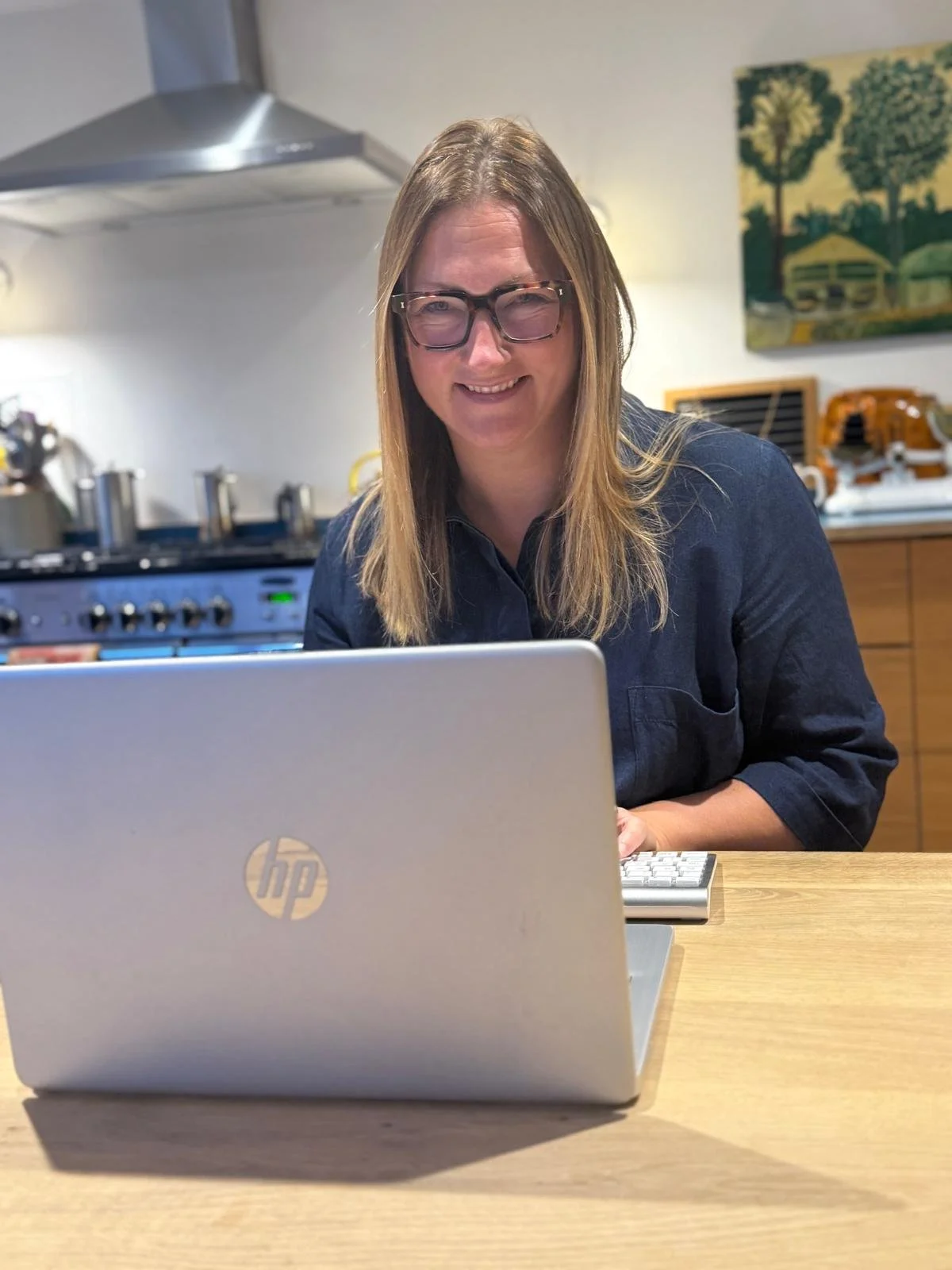
Emily
BA(Hons), PGCE, PGCert SEN, Level 7 SpLD, CPT3A, ATS, MDG, Member of PATOSS, Dyslexia Guild APC, BDA AWNA
Contact Emily:
Call: 07871 218191
Email: emily@dyslexiaeastsussex.co.uk
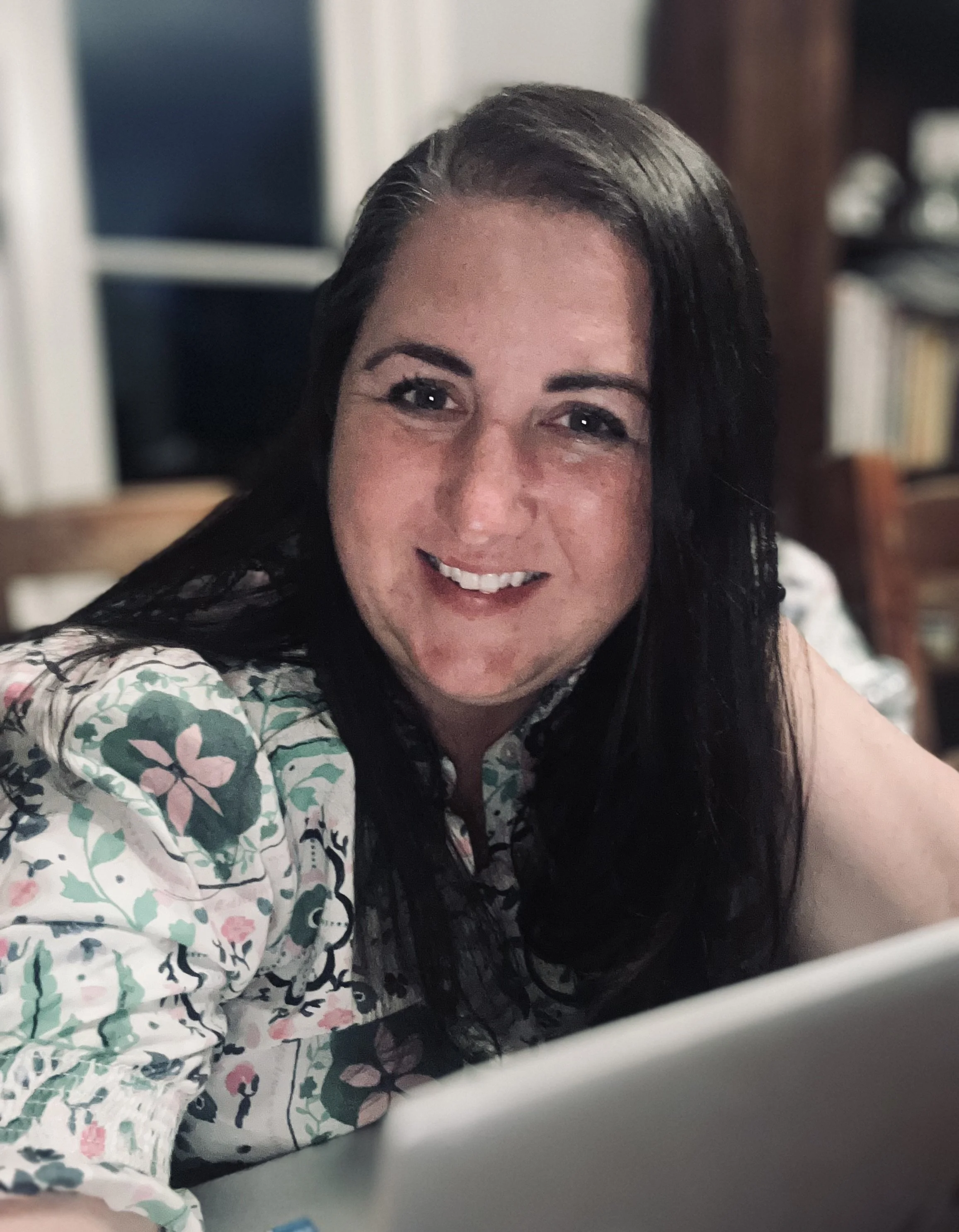
Natalie
BA(Hons), Primary Education with QTS, PGCert L7, CPT3A, RQTU with the BPS, MDG, Dyslexia Guild APC
Contact Natalie:
Call: 07967 994037
Email: natalie@dyslexiaeastsussex.co.uk
Your Questions, Answered
-
Dyslexia training helps teachers and support staff understand how dyslexia affects learning and provides practical strategies for inclusive teaching, early identification, and effective classroom support. Dyslexia East Sussex are able to act as ‘Experts At Hand’ for local schools in East Sussex.
-
Yes, we provide workplace training to help employers and teams understand dyslexia, implement reasonable adjustments, and create inclusive environments where employees can perform to their full potential.
-
Adjustments may include flexible working practices, assistive technology, clear communication strategies, and allowing additional time for certain tasks.
-
Specialist tuition provides structured, personalised support to develop literacy skills, build confidence, and address specific learning needs in a supportive environment, either 1:1 or in small groups.
-
Yes, we work closely with schools and SENCOs to provide training, assessments, and bespoke inclusion support. We can also act as “Experts At Hand” to offer ongoing guidance when needed.
-
We welcome opportunities to collaborate with local organisations, schools, and community services to improve awareness and support for individuals with dyslexia across East Sussex.
-
You can contact us directly to discuss your needs. We are happy to talk through options, answer questions, and help you take the next step—whether you are a parent, individual, school, or organisation.
-
Children can usually be assessed from around age 8, once they have had sufficient exposure to reading and writing. Early identification is important, as it allows for timely support and intervention so Dyslexia East Sussex offers screening and Strengths and Recommendations assessments for younger pupils.
-
Yes, dyslexia can be identified at any age. Many adults seek assessments to better understand long-standing difficulties and to access support in the workplace or further education.
-
Common signs include difficulties with reading, spelling, writing, memory, organisation, and processing information. In adults, it may also present as challenges with time management, note-taking, or written communication.
-
With Dyslexia East Sussex, a full diagnostic dyslexia assessment typically takes between 2 and 3 hours, followed by a detailed written report with findings and recommendations.
-
Following the assessment, you will receive a comprehensive report outlining strengths, areas of difficulty, and practical recommendations. This can be used to support learning at school, at home, or in the workplace, and to apply for reasonable adjustments where appropriate.
-
Yes. Under the Equality Act 2010, schools, colleges, and employers in the UK are required to make reasonable adjustments to support individuals with dyslexia.
-
Support may include specialist tuition, adapted teaching strategies, assistive technology, and classroom adjustments to help children access learning and build confidence.
Want to access more dyslexia support resources? Sign up to our Dyslexia East Sussex Membership.
Exclusive support. Practical strategies. Real understanding.
If you have received an assessment through Dyslexia East Sussex, you are invited to join our Members’ Area at a reduced rate.
Our membership is designed to provide you with ongoing support, reassurance, and practical tools—without overwhelming you. We share just enough to guide you forward, while keeping our most specialist approaches where they belong: in our expert-led work.
Read our Reviews
We’re proud to have received so many 5 Star reviews that we can’t fit them all here. Here are a few highlights - and you’ll find so many more on our Google Reviews by clicking HERE

Contact Us
At Dyslexia East Sussex, we are here to help you gain a clearer understanding of how you or your child learns and to identify the right support moving forward. Our approach is supportive and practical—focusing on strengths as well as areas of difficulty, and providing clear, tailored recommendations.
We offer a wide range of services including dyslexia assessments for children and adults, specialist tuition, training for schools and workplaces, and bespoke support for educational settings and organisations. Whether you are looking to arrange an assessment, develop inclusive practice, or explore targeted support, we can guide you through the options available.
For children, early support can make a significant difference in building confidence and preventing difficulties from becoming more entrenched. For adults, an assessment and tailored strategies can offer valuable insight and open up access to workplace adjustments and practical tools.
If you would like to find out more about our services or discuss your individual requirements, please get in touch—we would be happy to talk through how we can support you.
@DES News
Whether you are a parent, educator, employer, or someone with dyslexia looking for information and encouragement, our latest blog offers helpful insights and positive guidance. Stay connected for more articles, resources, and advice by signing up to our newsletter.